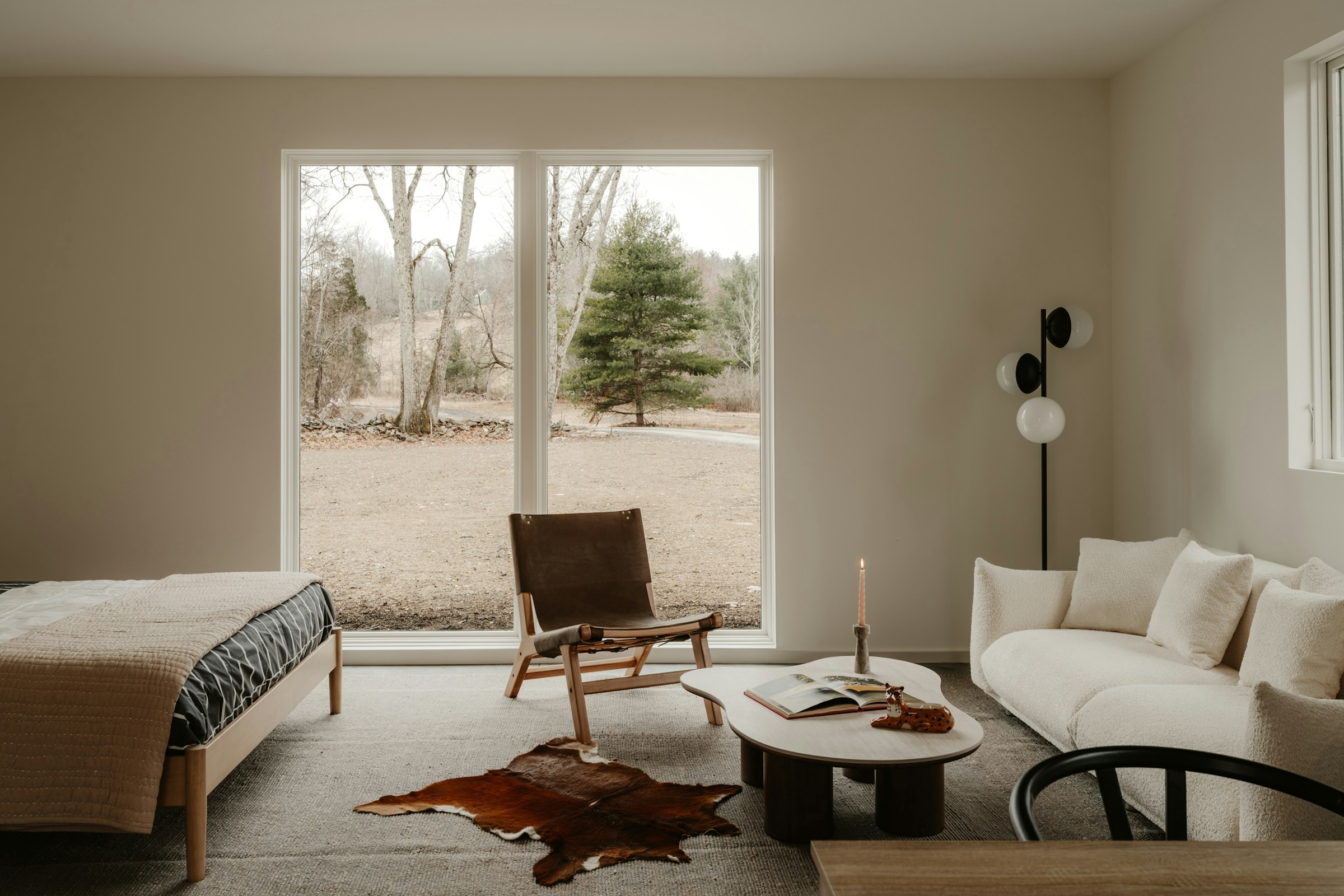
Sellers often ask me the same question before putting a home on the market: how much work should we actually do? It is a good question, because preparation can absolutely affect a sale, but spending more money does not automatically produce a higher return. The goal is to identify the improvements that change how buyers experience the property.
Buyers Don't Price Repairs the Same Way Sellers Do
A seller may look at a worn wall and think it is a few hundred dollars of paint. A buyer may see the same wall and think the place needs work. That difference matters. Buyers rarely walk through a home calculating the exact contractor cost of every small issue. Instead, they respond to the overall condition and feeling of the property. When several small issues appear together, scuffed paint, worn flooring, dated lighting, loose hardware, and clutter, the buyer may begin mentally discounting the entire home in an amount considerably larger than the actual cost of correcting those issues.
Preparation is therefore less about making everything new and more about eliminating the things that make a buyer hesitate.
Start With What Buyers Notice Immediately
The highest-impact improvements are often surprisingly simple. Fresh, neutral paint can make a property feel brighter, cleaner, and better maintained without changing anything structurally. Lighting is another example: dark rooms photograph poorly and can feel smaller in person, and correcting mismatched bulbs, improving light output, and updating an occasional dated fixture can make a noticeable difference. Flooring, deep cleaning, window cleaning, and small repairs can have an equally strong effect.
The first question should not necessarily be what we can remodel. It should be: what is distracting buyers from seeing the best parts of this home?
Staging Is About More Than Style
Staging is sometimes misunderstood as simply making a property look attractive. Its more important job is helping buyers understand the space. A completely vacant room can be difficult to size, while an over-furnished room can feel much smaller than it actually is. The right furniture demonstrates where a dining table belongs, how a den can function as an office or guest room, or how a large living space can be divided into useful zones.
That can be especially important with condominiums, where buyers may be comparing several properties with similar square footage. Good staging gives each room a purpose and allows the photography to tell a much clearer story.
Photography Magnifies Strengths and Weaknesses
Preparation and marketing are closely connected. Professional photography can make a beautifully prepared property look fantastic, but it can also make unfinished work surprisingly obvious. A cluttered countertop, a poorly patched wall, or an oversized piece of furniture may not seem particularly distracting when you are standing in the room, but it can become the first thing you notice in a photograph. That is why I prefer to have preparation substantially complete before photography, rather than assuming things can be addressed later.
For homes with views, the timing of photography matters as well. Weather, window direction, and the time of day can dramatically change how the property presents online.
Not Every Renovation Makes Financial Sense
This is where sellers can spend a lot of money without necessarily getting it back. A full kitchen remodel immediately before selling may look beautiful, but the next buyer may not value those particular finishes enough to reimburse the seller for the cost. The same can happen with expensive bathroom renovations or highly personalized upgrades. Before recommending substantial work, I want to understand how the home compares with its competition, what buyers at that price point expect, and whether the improvement will actually change the property's position in the market.
If new flooring changes a home from needs work to move-in ready, it may make complete sense. If a major remodel simply makes the property comparable to everything else already for sale, I would look much more carefully at the expected return.
Two Recent Examples
Barton Street, West Seattle: presentation, not remodeling
At 1730 SW Barton Street, the work was lighting, paint, sanding and restaining the awnings, carpet cleaning and a deep clean. There was no remodel. The home listed on June 4, 2026 at $479,000, went pending on June 7 and sold on June 26 at $525,000. The preparation did not create that price by itself; the home, its pricing and the buyers active that week all mattered. What the work did was remove the small signs of wear that make buyers discount a home before they have seen its strengths.
Ferdinand Street, Beacon Hill: inspect first, then fix
At 2602 S Ferdinand Street, the sequence started with a pre-listing inspection. From that report came sealing the roof flashing, recaulking at the upstairs bath and kitchen counter, interior paint and exterior power washing, followed by professional photography and a floor plan. The home listed on July 8, 2026 at $1,325,000, reached mutual acceptance on July 12 and sold at the full asking price. The value of the inspection was that small items were already handled when buyers arrived, which left less to negotiate about. Buyers still kept every inspection right they would normally have.
How I Decide What Work Is Worth Doing
For each proposed item, I ask five questions in order. What specific buyer objection does it answer? How likely is it to matter against the homes this one will actually compete with? What does a real contractor quote say it costs? Can it be finished well before photography? And only then, how should staging support it? Work that cannot be tied to a real objection, or that cannot be completed before the photographs, usually waits. A pre-listing inspection can make this list more precise, but it never replaces the buyer's own inspection rights.
Preparation Supports the Asking Price
A thoughtfully prepared home gives the seller more credibility when asking a strong price. If the property is clean, staged appropriately, freshly painted where needed, and photographed beautifully, buyers have fewer immediate reasons to discount it. If the property needs obvious work while also being priced at the top of its competitive range, buyers begin subtracting. That is why I view preparation as part of the pricing strategy rather than a completely separate marketing task.
The best preparation does not make a home perfect. It makes the home easier for the right buyer to choose.
Work With Luke
Have Questions About the Seattle Market?
Luke tracks Seattle market data closely and can put the numbers in context for your specific situation, whether you're buying, selling, or evaluating a property.


