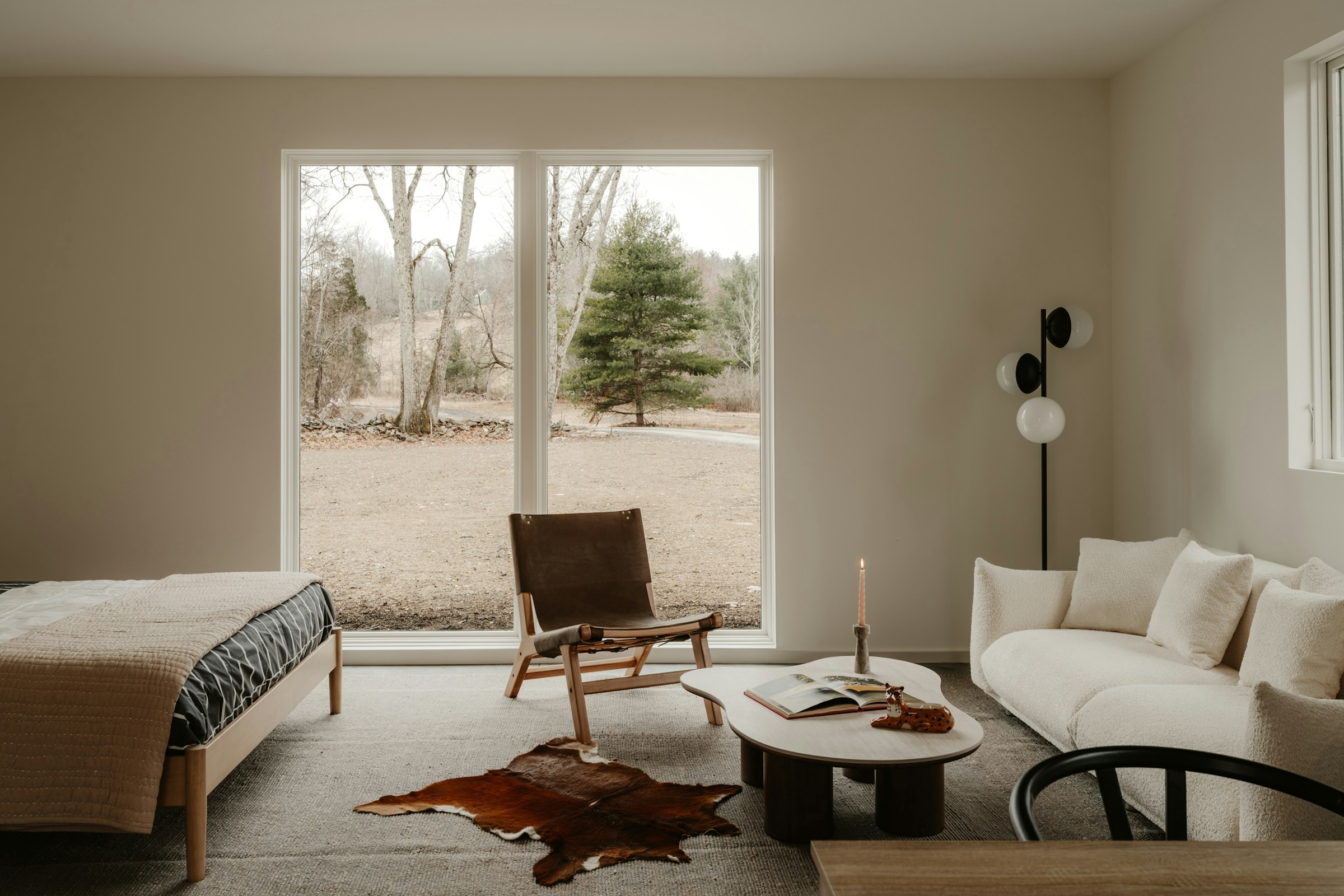
One of the reasons I enjoy Seattle real estate is that the housing stock is far more varied than the market statistics make it sound. A search can move from a 1910 Craftsman to a brick Tudor, a mid-century house tucked into trees, a contemporary view home, a converted loft, and a new townhome in the same afternoon. The architecture is not decoration around the housing market. It is part of what makes one property difficult to replace and another feel interchangeable.
Craftsman Is One of Seattle's Defining Residential Languages
Seattle grew rapidly in the early twentieth century, which is one reason Craftsman homes appear across so many established neighborhoods. The classic Seattle bungalow usually emphasizes human scale: broad eaves, visible structure, porches, built-ins, woodwork, fireplaces, and rooms that feel connected without being completely open. Craftsman bungalows became one of the city's signature housing types during that building boom.
What I like about good Craftsman design is that it often still works. The best examples have practical circulation, useful front porches, natural materials, and details that give the house identity without making it precious.
The City of Seattle's inventory offers a concrete Queen Anne example: the Stephen and Florence Brown House at 2415 Bigelow Avenue, recorded as a 1912 Arts and Crafts-Craftsman home. The survey describes a broad recessed porch, a gable with knee brackets and extended rafter tails, and distinctive clinker brick at the porch and columns. Together, those visible elements give the entry, roofline and masonry a coherent identity rather than reading as separate decoration. The inventory records a survey opinion about eligibility, not a formal landmark designation, and its older photographs do not establish the home's condition today.
Tudor and Revival Styles Bring a Different Kind of Character
Seattle also has neighborhoods with English Tudor, Colonial Revival, Spanish Revival, and other period styles. These homes tend to rely more on composition, masonry, roof forms, divided-light windows, formal entries, and distinct rooms. In the right house, the separation of spaces can feel elegant rather than dated.
When buyers renovate one of these homes, I usually think the question should be how to improve the way it lives without stripping away the things that make the architecture recognizable.
Mid-Century Homes Respond Beautifully to Seattle's Landscape
Seattle's postwar homes often have a much stronger relationship to the site. Large windows, lower rooflines, open living areas, exposed beams, natural wood, and connections to patios or wooded lots can make these houses feel remarkably current. The best mid-century homes do not need to be turned into generic contemporary boxes. They usually benefit from restraint.
Northwest Contemporary Is About Light, Material and Site
There is also a distinctly Northwest version of modern residential design. It tends to use wood, glass, concrete, steel, simple geometry, and strong connections to landscape. In Seattle, where light changes dramatically through the year, windows and orientation become part of the architecture in a very practical way.
This is also where design can shape an experience that does not show up neatly in a feature list. A carefully placed window, a protected courtyard, a ceiling that opens at the right moment, or a view framed from one room can make a house feel more resolved than its raw square footage suggests.
Seattle Architecture Also Includes Urban Multifamily Design
The Banner Building in Belltown is a useful counterpoint to the detached-house styles above. Architect Weinstein A+U describes a mixed-use composition with a commercial and parking base, residential loft and studio volumes, and a community courtyard connecting the parts. It is distinct modern urban loft architecture, not a warehouse conversion. The practical lesson is to read the whole arrangement: how daylight reaches the residence, how the courtyard organizes the building, and how the plan handles movement and privacy. Stair access, layouts and declared live/work rights still need to be verified for the individual home rather than assumed across every residence.
Townhomes and Infill Are Now Part of Seattle's Architectural Identity
Not every important Seattle home is old. Townhomes and infill housing have become a major part of the city's residential fabric. Some are repetitive. Others are genuinely thoughtful, with better light, roof decks, flexible rooms, private entries, and strong material choices. I look at them the same way I look at older architecture: does the design solve the site well, and will the layout still make sense years from now?
Style Clues Are a Starting Point, Not a Condition Report
A style label can organize what you see, but it cannot diagnose structure, moisture, deferred maintenance or the quality of an alteration. Inspect the property's actual construction and records. The questions below are prompts for closer review, not universal defects attached to a style.
| Visible style clues | Property-specific questions |
|---|---|
| Craftsman: broad eaves, porch, original woodwork | Which porch and millwork elements remain, how does drainage move around them, and what repairs or alterations are documented? |
| Tudor and revival: brick or masonry, chimney, steep roof forms | What do the inspection and records show about mortar, chimney condition, roof work and later alterations? |
| Mid-century: broad glass, lower roofline, indoor-outdoor connection | How does orientation affect winter light, glare and privacy, and what is documented about the roof, glazing and past upgrades? |
| Northwest contemporary: wood and glass, simple geometry, site connection | How is water managed at the site and exterior, how does the glazing perform, and where do views meet privacy or exposure? |
| Townhome infill: vertical plan, private entry, flexible rooms | Does stair circulation work every day, where is practical storage, how usable is the outdoor space, and what do the ownership documents assign? |
How to Read a Home at a Showing
Start by tracing the route you would use every day: front door to living room, kitchen, bedrooms and outdoor space. Then test the architecture against real routines. Look at window orientation and think about winter light as well as summer glare. Separate a framed view from privacy concerns, and ask whether neighboring development could change that view. Notice which older features create the home's identity and which finishes are replaceable. Ask which renovations are documented, and bring an inspector or architect into the decision before altering structure. The goal is not a do-it-yourself diagnosis. It is to distinguish character and layout from mechanical condition, then plan maintenance around the specific property.
Historic character and legal status are also different. Seattle's Historic Resources Survey is an inventory, not an automatic City landmark designation. Check the City's current designation record and ask what approvals apply before planning alterations. For the rest of the purchase review, the guides to buying a house in Seattle and buying a Seattle condo separate physical due diligence from ownership documents. If you are preparing a home for sale, the property preparation guide focuses on targeted work before photography rather than generic remodeling.
Architecture Matters Because Scarcity Matters
From a real estate perspective, architecture becomes especially important when it creates something a buyer cannot easily duplicate. Original millwork, a beautifully proportioned Craftsman living room, a protected mid-century setting, an exceptional stair, a mature garden, or a thoughtful renovation can all widen the emotional gap between one house and the next.
I do not think buyers need to become architectural historians. But learning to recognize what is difficult to recreate makes it easier to understand why some homes feel special, which renovations respect the original idea, and why two houses with the same square footage can produce completely different reactions.
Common Questions
Does an architectural style tell me a home's condition?
No. Style can help you recognize a home's design language, but it is not a structural report or a condition guarantee. Inspect the specific property, its systems and its records rather than assigning defects to a style.
Does appearing in Seattle's historic inventory make a home a City landmark?
Not automatically. A survey inventory and a legal landmark designation are different records. Check the City's current designation record and ask what approvals apply before planning alterations.
Should every original feature stay during a renovation?
There is no universal answer. Separate the features that create the home's character from replaceable finishes, then weigh condition, daily function, documented work and professional advice. Architectural character does not guarantee a financial return from any renovation choice.
Sources
Work With Luke
Have Questions About the Seattle Market?
Luke tracks Seattle market data closely and can put the numbers in context for your specific situation, whether you're buying, selling, or evaluating a property.